trauma explained
Visit soma therapy for trauma healing with client case studies. Click IFS therapy to learn how it works with client reviews.
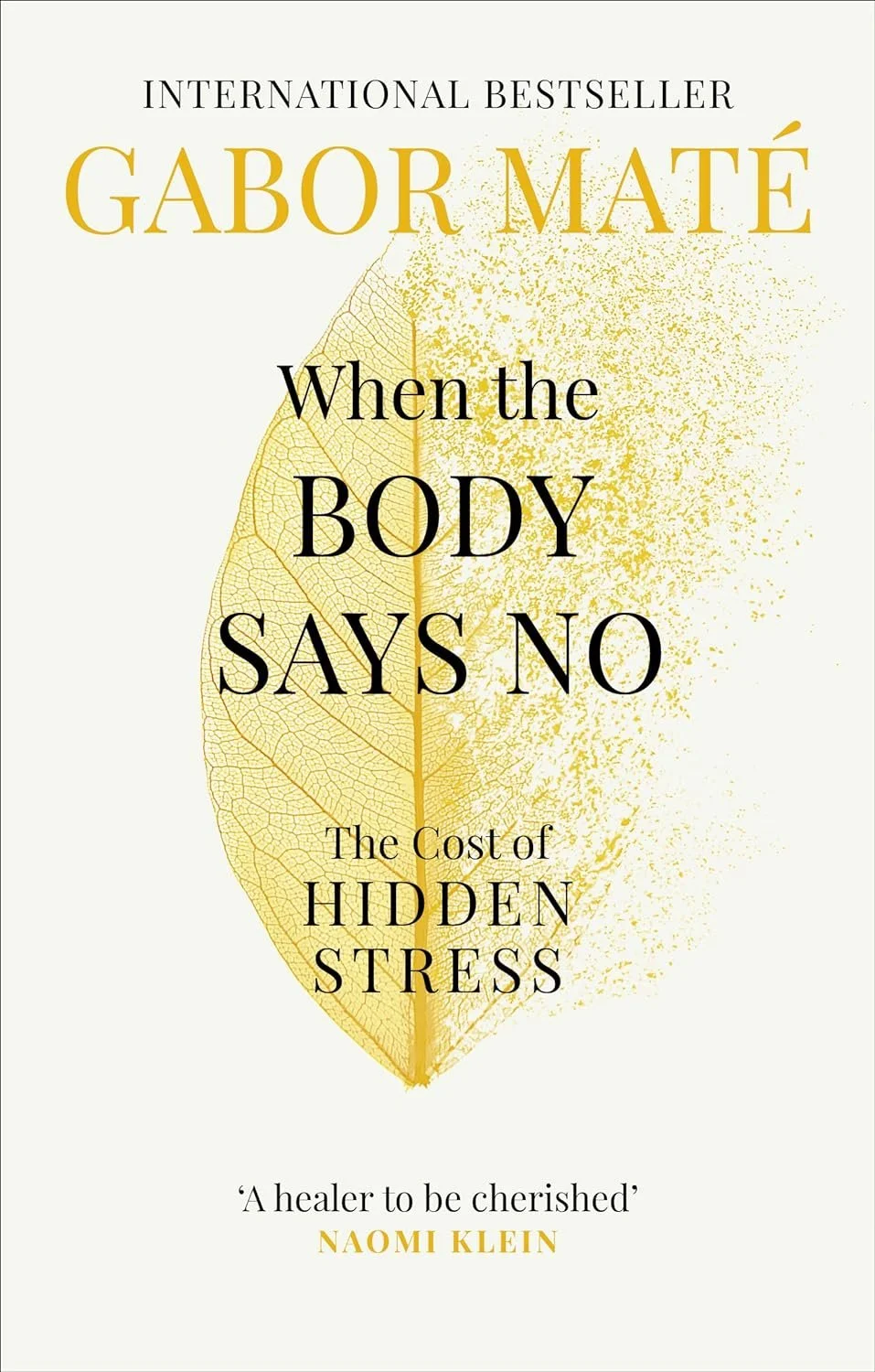
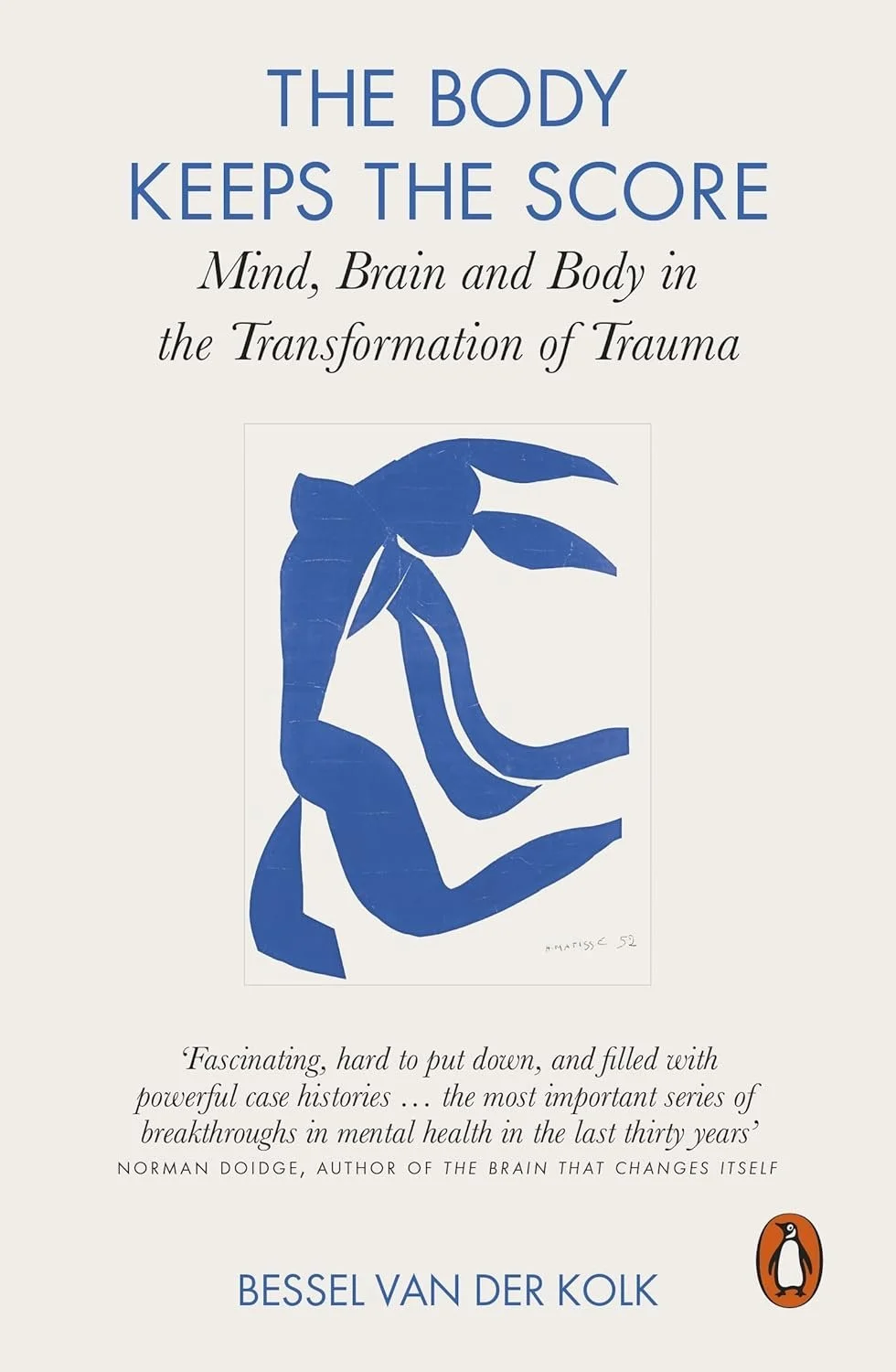
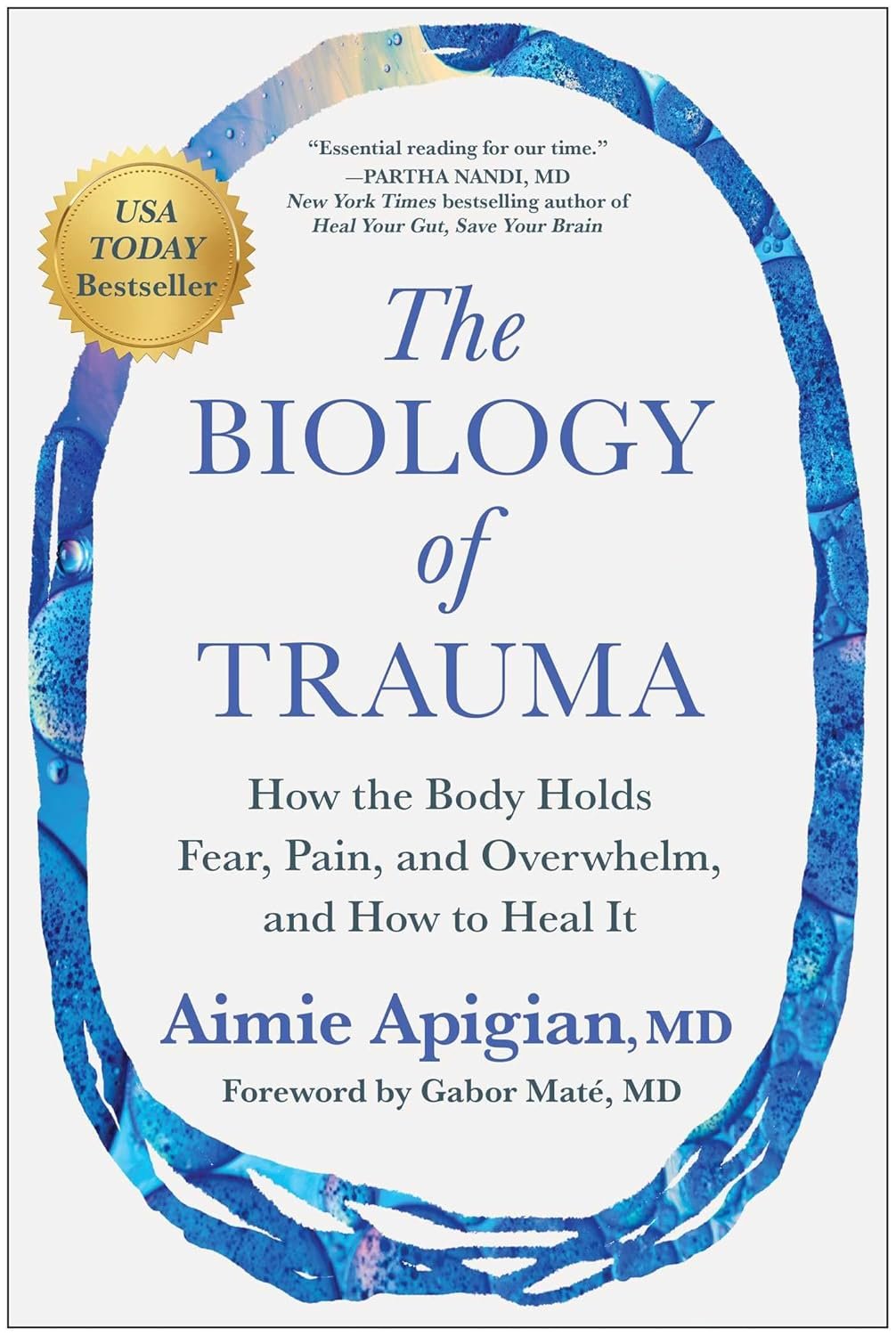
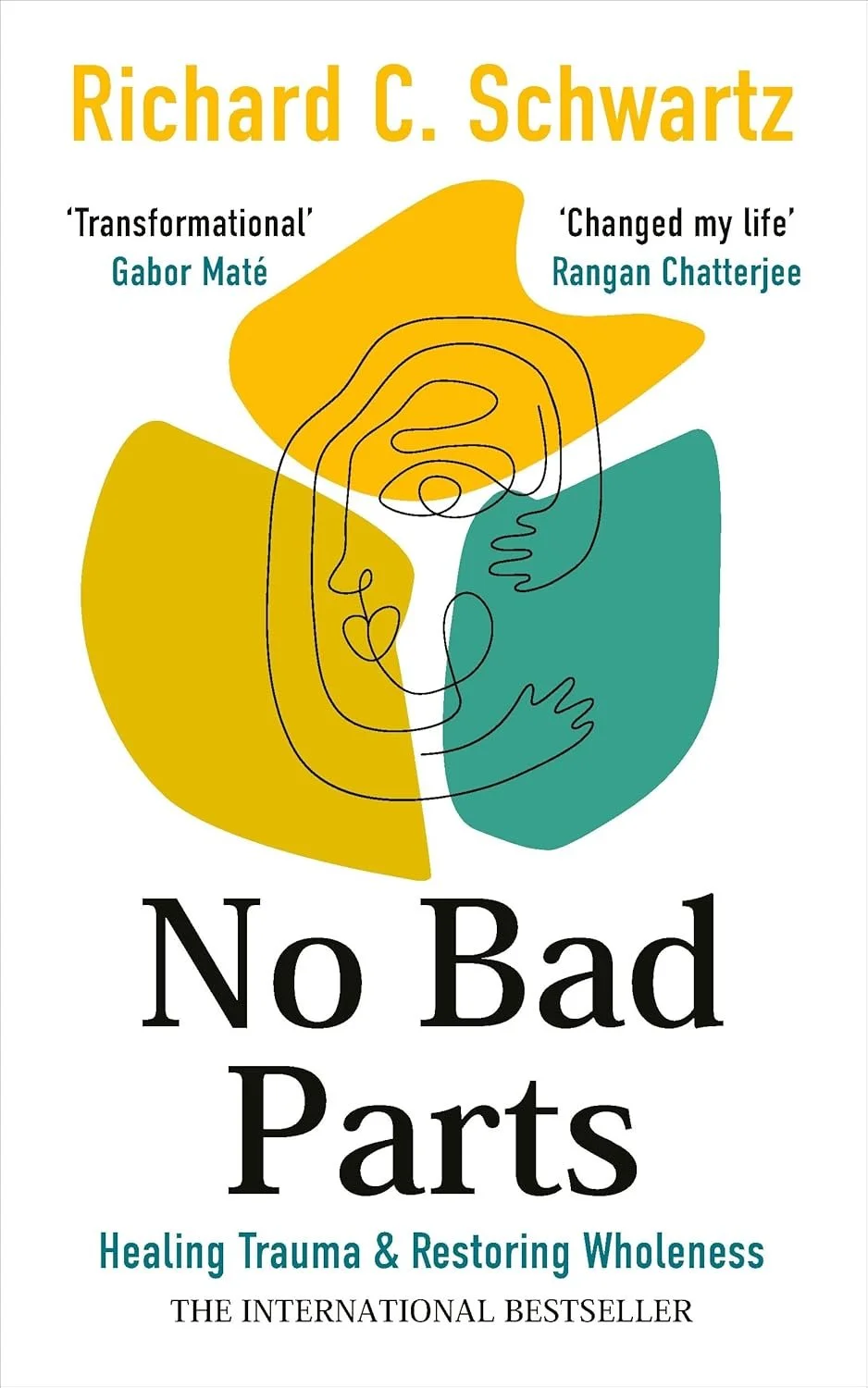
relationships + communication
Click for client stories who healed breakups, sexual abuse, improved relationships, and found new loving partners


spirituality
-
Yale MD and psychiatrist Brian Weiss explains how past life regression cured his client of chronic anxiety when all other traditional therapy methods failed.
-
Journey of Souls is the record of 29 people who recalled their experiences between physical deaths whilst in hypnosis with Dr Michael Newton. Through their stories you will gain a better understanding of the immortality of the human soul, and learn specifics about:
• How it feels to die
• What you see and feel right after death
• The truth about "spiritual guides"
• What happens to "disturbed" souls
• Why you are assigned to certain soul groups in the spirit world and what you do there
• How you choose a body to return to Earth
• The different levels of souls: beginning, intermediate, and advanced
• When and where you first learn to recognize soulmates on Earth
• The purpose of life
-
Destiny of Souls includes 70 case histories of real people who were regressed into their lives between lives. Learn about:
• Our purpose on Earth
• Soul mates and spirit guides
• Spiritual settings and where souls go after death
• Soul travel between lives
• Ways spirits connect with and comfort the living
• The soul-brain connection
• Why we choose certain bodies
-
Wisdom of Souls by the Newton Institute provides fascinating case studies on how regression hypnotherapy can release past traumas that may be influencing your current life.
The stories focus on the most common modern world challenges: facing a health crisis, anxiety and depression, healing from loss, navigating romantic relationships, moving from self-sabotage to strength, growing through family conflict, nurturing relationships, balancing career and finances, ageing and dying.
-
Induced After Death Communication (IADC) is a therapy for grief and trauma that has helped thousands of people come to terms with their loss by allowing them the experience of private communication with their departed loved ones. Botkin, a clinical psychologist, created the therapy while counselling Vietnam veterans in his work at a Chicago area VA hospital. Botkin recounts his initial—accidental—discovery of IADC during therapy sessions with Sam, a Vietnam vet haunted by the memory of a Vietnamese girl he couldn't save.
During the session, quite unexpectedly, Sam saw a vision of the girl's spirit, who told him everything was okay; she was at peace now. This single moment surpassed months—years—of therapy and allowed Sam to reconnect with his family. Since that 1995 discovery, Botkin has used IADC to successfully treat countless patients—the book includes dozens of case examples.
Consistent, robust clinical observations by a growing number of IADC® trained therapists across a broad variety of clients indicate that IADC® heals the deep sadness that is associated with the death of a friend or loved one, and the results appear to hold up very well over time. The method uses EMDR, but in a quite different way from standard EMDR.
-
• What happens at the point of death?
• Where do we go afterwards?
• Does one's personality survive after death?
• How are the good and the bad experiences of life accounted for?
• What is the purpose of life?
Late past-life regression therapist Dolores Cannon accumulated hundreds of case studies over fifteen years that reported similar memories about the death experience and what lies beyond.
It examines different levels of existence in the spirit realms; the healing places for the damaged; the schools where you integrate lessons learned on Earth and where you discover the laws of the Universe; how you plan your next incarnation, the lessons to be learned and future karmic relationships before birth.

-
Your subconscious is the part of your mind of which you are usually unaware but that plays vital role in your life.
Once you’ve connected to your subconscious through hypnosis, you can have actual conversations with it.
The information gained through interactions with the subconscious often leads to much more effective therapy. Read more here.
-
Dr. Bruce Greyson, a specialist in psychiatry and neurobehavioral sciences at the University of Virginia—and one of the world's leading experts on near-death experiences—has been studying these phenomena for more than four decades. Dr Greyson was elected a Distinguished Life Fellow of the American Psychiatric Association, the highest honour bestowed by this organization.
Newsweek spoke to Dr Greyson about his work and what people's reports of near-death experiences (NDEs) reveal about the nature of life, death and consciousness. Our favourite quote:
“ When you lose your fear of death, you also lose your fear of life. Because you're not afraid of losing everything, you're not afraid of taking chances and living life to the fullest. And it makes life much more meaningful, and much more fulfilling. They realize in the NDE that they're not actually individuals, but they're part of something much greater than themselves. So that the problems that they had, which are still there are no longer seen from the same perspective. And they see these problems, not as something to run away from, but to try to learn from and grow from.”
-
Research in this area was pioneered by Dr Ian Stevenson, a psychiatrist at the University of Virginia School of Medicine, who spent much of his career collecting and examining such cases. Typically, between the age of 2 and 4, such children start talking about their previous life, often speaking about the events that led up to their death, and sometimes using the present tense as if their previous life was still continuing. In some cases, Stevenson was able to identify the person the child claimed to be and verify the information by speaking to relatives of the deceased.
Since Stevenson’s death, other researchers have followed his lead. Now around 2500 reports of children’s past-life memories have been studied. Research has shown that normally the children’s reported previous lives ended prematurely and unnaturally, often involving violence, suicide, or an accident. In almost three-quarters of cases, the “previous personality” died relatively young. A quarter died before the age of 15. On average, the previous personalities died four-and-a-half years before the birth of the children with whom they were associated.
Modern researchers meticulously check the accuracy of children’s accounts, analyzing any possibility that they gained information through more mundane ways or were fantasizing, or that their parents may be embellishing their stories. Often, researchers give the children recognition tests—for example, showing them a set of photos and asking them to pick the one which relates to their previous personality. They might be shown pictures of houses and asked to pick the one their previous personality lived in. They might be shown pictures of women and asked to pick which was their previous personality’s wife.
University of Virginia - Division of Perceptual Studies (DOPS)
-
An experience of contact with or receiving messages from a departed loved one is termed after-death communication (ADC). ADCs have been reported across the world since time immemorial. They are a ubiquitous human experience.
ADCs occur in all types of people regardless of age, gender, ethnicity, nationality, education level, income, type of death, duration of the relationship, time passed since the death, or socioeconomic or religious standing though an emotional connection seems to be an important component.
ADCs are common and a natural part of the grieving process. Because people can be hesitant to share their experiences due to perceived social stigma, reports are likely underestimates but different research studies have estimated that 30-90% of adults have had at least one ADC. However, not everyone has one and “the presence or absence of ADCs does not reflect on the nature or quality of the relationship with the deceased”.
ADCs are often, but not always, positive and comforting. They may result in a decreased fear of death and an increased sense of spirituality. In addition to demonstrating a continuing bond with the departed, ADCs may also lessen anger, guilt, and anxiety and facilitate a belief in an afterlife. Negative ADCs may be the result of misunderstanding the experience, representing a conflict with an existing worldview, or adverse responses from others who are unaware of the healthy nature of ADCs.
Experiences termed spontaneous ADCs involve unexpected or uninvited contact. The two most common types of spontaneous ADCs are sensing the presence of the departed and visitation dreams.
It has been suggested that these “dream ADCs” might more appropriately be called “sleep ADCs” because, unlike REM dreams, they “typically feel subjectively real and persist vividly in memory for years”. These dream or sleep ADCs or visitation dreams have common characteristics which are described below.
Dream ADCs
Experiences of after-death communication that occur during sleep can involve:
• details that remain intensely vivid and impactful for years
• an opportunity to say good-bye, address unfinished business, and/or advance the relationship
• the departed speaking or not speaking; the exchange of ideas occurring with or without words
• the departed appearing as if in the prime of their physical life
demands for contact may serve as obstacles to communication.
-
Click for Children Who Remember Previous Lives – Academic Publications
Near-Death Experiences – Academic Publications
Click the link for more academic publications and books by the University of Virginia Division Division of Perceptual Studies, who states:
“Current mainstream science and philosophy portray mind, personality and consciousness as nothing more than byproducts of brain activity encased within our skulls and vanishing at death. Through its research, DOPS strives to challenge this entrenched mainstream view by rigorously evaluating empirical evidence suggesting that consciousness survives death and that mind and brain are distinct and separable.”
-
What happens after we die? This Netflix docuseries explores personal stories and research on near-death experiences, reincarnation and paranormal phenomena. It features the story of James Leininger a toddler who remembered his past life told in the book ‘Soul Survivor: The reincarnation of a World War II Fighter Pilot’.
soul impact on mind, body + emotions
The Symptoms of the Soul and Guiding Lost Souls explain how earthbound spirits can cause symptoms (pain, depression, anxiety, unexplained feelings) when attached to living people who are usually not aware of this.
Internal Family Systems is an evidence-based model of psychotherapy that releases ‘unattached burdens’ from clients if they are not native to their system. Bob Falconer is an expert on the IFS process. In his book, The Others Within Us he writes: “Perhaps we should look at what we called dissociative disorders through the larger lens of possession phenomena all over the world and throughout history.”
30 Years Among The Dead Dr. Carl A. Wickland, (1861-1945) was a member of the Chicago Medical Society, the American Association for the Advancement of Science, and the chief psychiatrist at the National Psychopathic Institute of Chicago. Wickland specialised in cases of schizophrenia, paranoia, depression, addiction, manic-depression, criminal behaviour and other phobias.
Wickland treated many patients suffering from mental illness of all kinds, and after many years of experience, concluded that several patients he treated had 'attachments' by which he meant that spiritual entities had attached themselves to unwitting mortals and influenced them (often) in the worst kind of way, leading them to alcoholism, madness, and occasionally murder.
holistic health