
A podcast on burnout, people-pleasing and the “not enough” feeling for high-performing founders and leaders
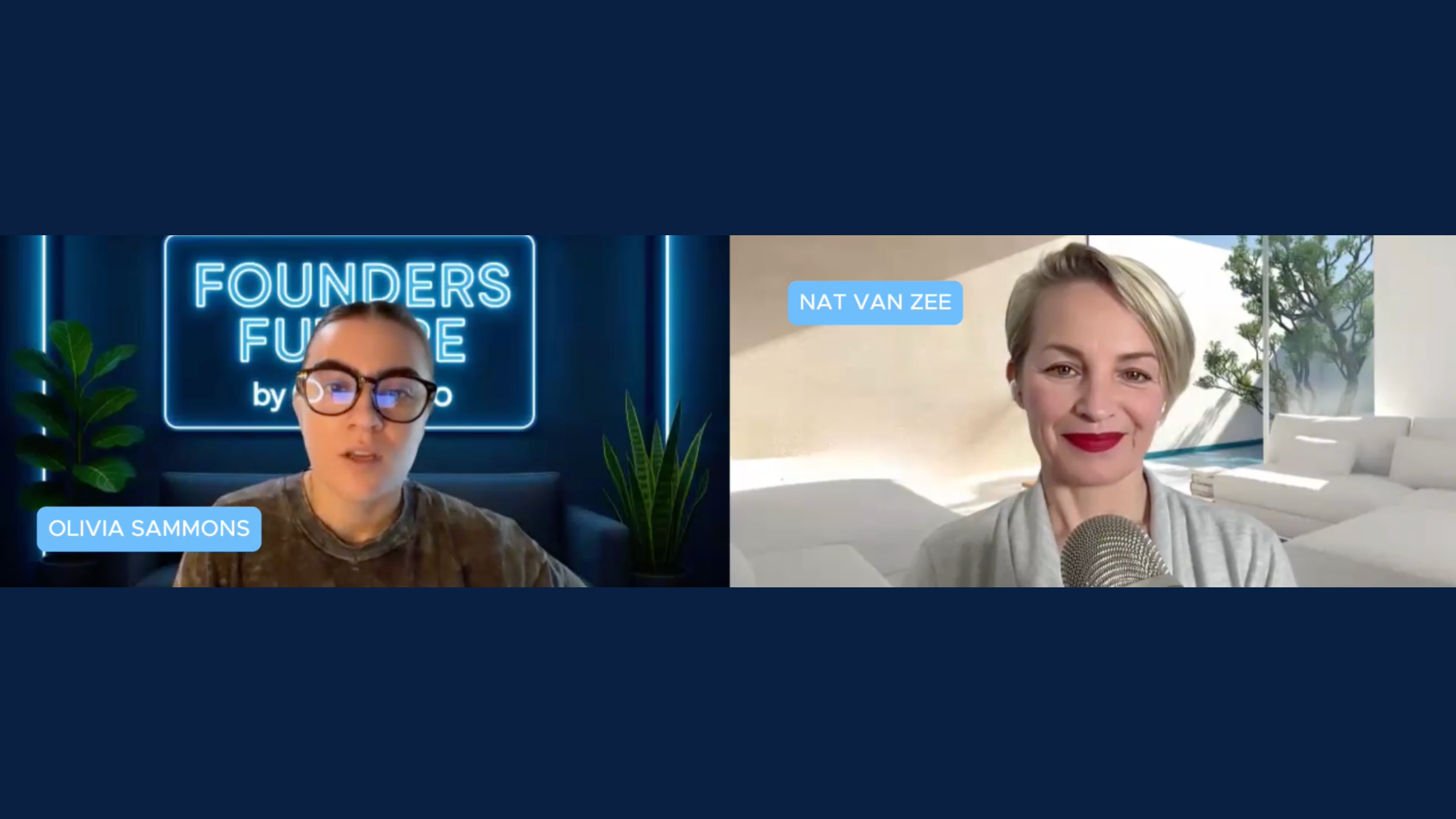
In this conversation, I talk about how my darkest moments pushed me to pivot, and how I shed the old beliefs and identities that were no longer mine.
From the outside, my life looked impressive
From the outside, my life looked impressive. I had big advertising campaigns, great shows, great brands and the magazine work that comes with them. But on the inside, I didn’t feel any of it.
The criticism that stopped me cold
Then, in 2012, my agent called with feedback after a shoot, and it stopped me cold. The criticism wasn’t about my work. It was about my personality. I was too open, too direct, too authentic. For someone who had given her best, it landed like a wrecking ball. I felt so down and depressed for the rest of my life.
A moment of awareness
What saved me was a moment of awareness. I caught myself mid-spiral and noticed the story I was telling myself. If I kept that narrative going, I would stay exactly where I was. I realised I had a choice, and that choice became the start of everything that followed.
Going inward
That breakdown sent me inward. I became much more intentional about food, my environment and who I spent my time with. For about ten years I was deep in clean beauty, educating people on clean living and sustainable, natural beauty. But I kept noticing something that didn’t add up. People with very clean lifestyles were getting ill, while others who lived with far less rigidity were thriving. It told me the problem went deeper than what you put on your skin or in your body.
A profound spiritual experience in 2019 opened that up for me. I came to understand that our inherited beliefs, generational patterns and unprocessed experiences were often doing far more damage than anything in our environment. That understanding is where Vanzee Being came from.
If you’re a high achiever, this might sound familiar
The people I work with are founders, investors and thought leaders. Many have scaled their businesses to seven, eight or nine figures, and they’ve hit a ceiling they can’t logic their way through. The habits that got them there, like overachieving, carrying too much responsibility, struggling to delegate and pushing through, have quietly started working against them.
Often, their lives look perfect from the outside. They have the wealth, the status, the partner and the house. And yet something is still missing, and many of them aren’t happy. It was never about the external stuff. What their nervous system has always been reaching for is self-love, self-validation and self-acceptance. That is what I help them give to themselves, rather than spending another decade chasing it through achievement.
Where these beliefs come from
We are all taught to doubt and judge ourselves when we are young. School, media and the systems we grow up in can install programmes like “I am not enough” or “I need to prove my worth.” Those programmes don’t disappear when we succeed. They just get louder in a different key, and that relentless feeling of having to prove yourself keeps going no matter what you achieve.
Listening to what your body is telling you
I don’t see symptoms like brain fog, burnout, anxiety or conflict at work as problems to eliminate. I see them as messengers, parts of us that are trying to be heard. I think of it like a disgruntled employee. You don’t fire them or ignore them. You have an open conversation, find out what they need and see whether their role can shift. Once you stop fighting your own parts and start listening to them, the confusion and inner conflict begin to dissolve.
How the work unfolds
My process has three stages.
The first is awareness. This is about understanding what is actually influencing you, regulating your nervous system, creating a sense of inner safety and beginning to see where the patterns running your life came from.
The second is self-acceptance. This is where we move through core memories and limiting beliefs, using subconscious reprogramming and self-forgiveness to clear out what no longer serves you.
The third is self-expression. This is about stepping into authentic self-leadership. It means leading from who you actually are, rather than from a role you took on as a child, with clarity, confidence and purpose.
When you start responding from self-leadership instead of reacting from old wounds, the people around you feel it. Your conversations change, and so does your business. Everything happening in your world, in your relationships and in your work, is a reflection of what’s happening within you. That is an opportunity to make a change.
If any of this sounds like you, listen to the full podcast or click the button below for support.